
Ships, field sites, retail floors, factory edges: places where losing the uplink is part of the workflow, not an incident. Swytch treats a partition as a state your data is designed for. Both sides keep working, and the histories reconcile deterministically when the link returns.
# macOS / Linux (Homebrew)
brew tap swytchdb/tap
brew install swytch
Docker: ghcr.io/swytchdb/swytch
The cheapest conflict is the one that can’t happen. Data that belongs to one region gets written from that region. Each tenant writes from its home. Each device writes its own records. Draw the partition seams on purpose, and a dropped link separates writers from readers — which costs freshness, never correctness.
Where two writers do collide, divergence is not an error state. Both branches live on the causal DAG, and Swytch Cloud arbitrates the reconciliation: it shows you precisely what diverged and gives you the tools to decide which history is canonical.
# the uplink drops — by design
site-A> SET till:4 "sale:8812"    # keeps writing
site-B> SET till:9 "sale:2207"    # keeps writing

# the uplink returns
# both histories merge on the causal DAG
# divergence, if any, is arbitrated — not lost
A partition is a state, not an emergency.
The ownership patterns that make disconnection boring.
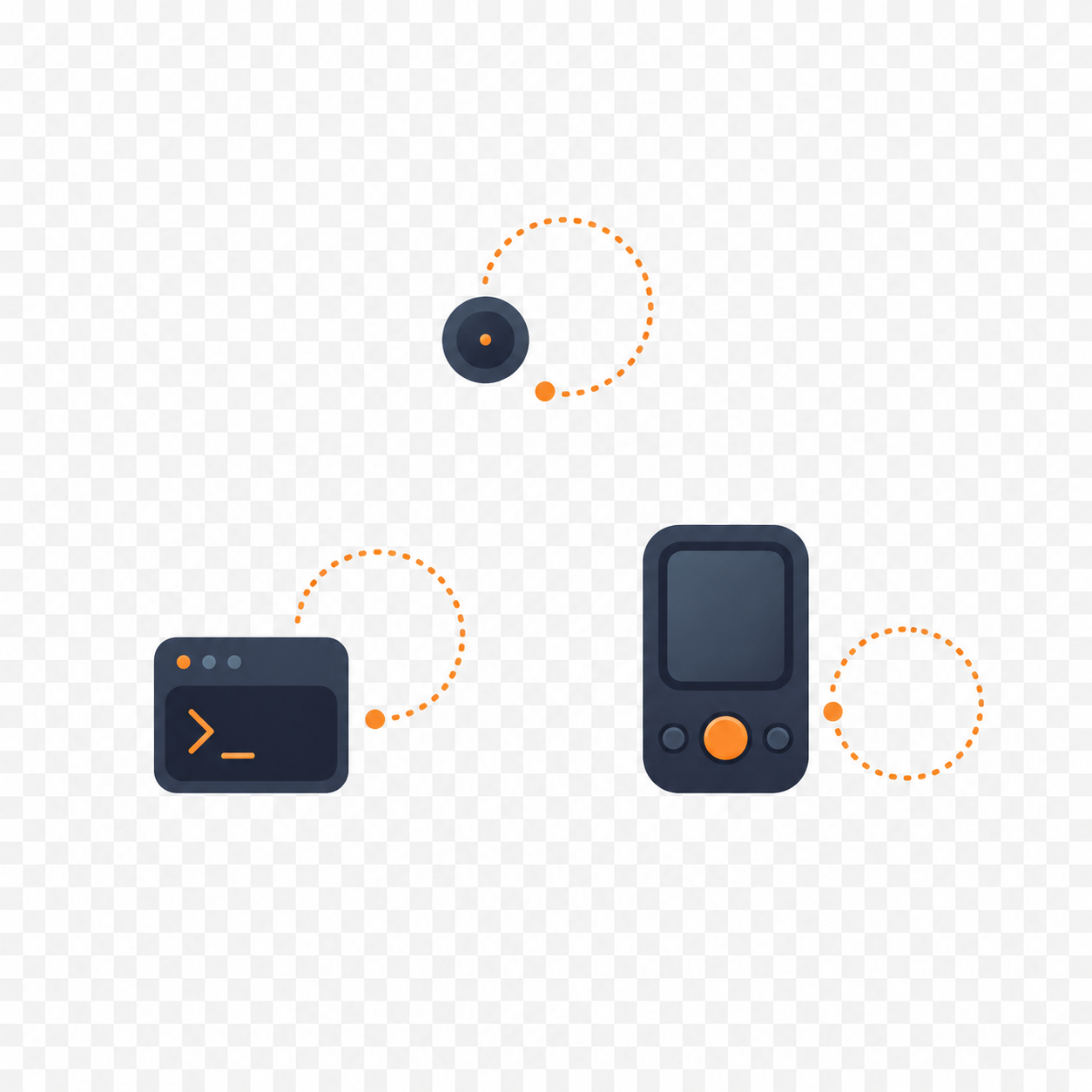
Field equipment, tills, and sensors write their own records. A dropped link means the device queues locally and syncs on return — no conflict, because no two writers ever touched the same key.
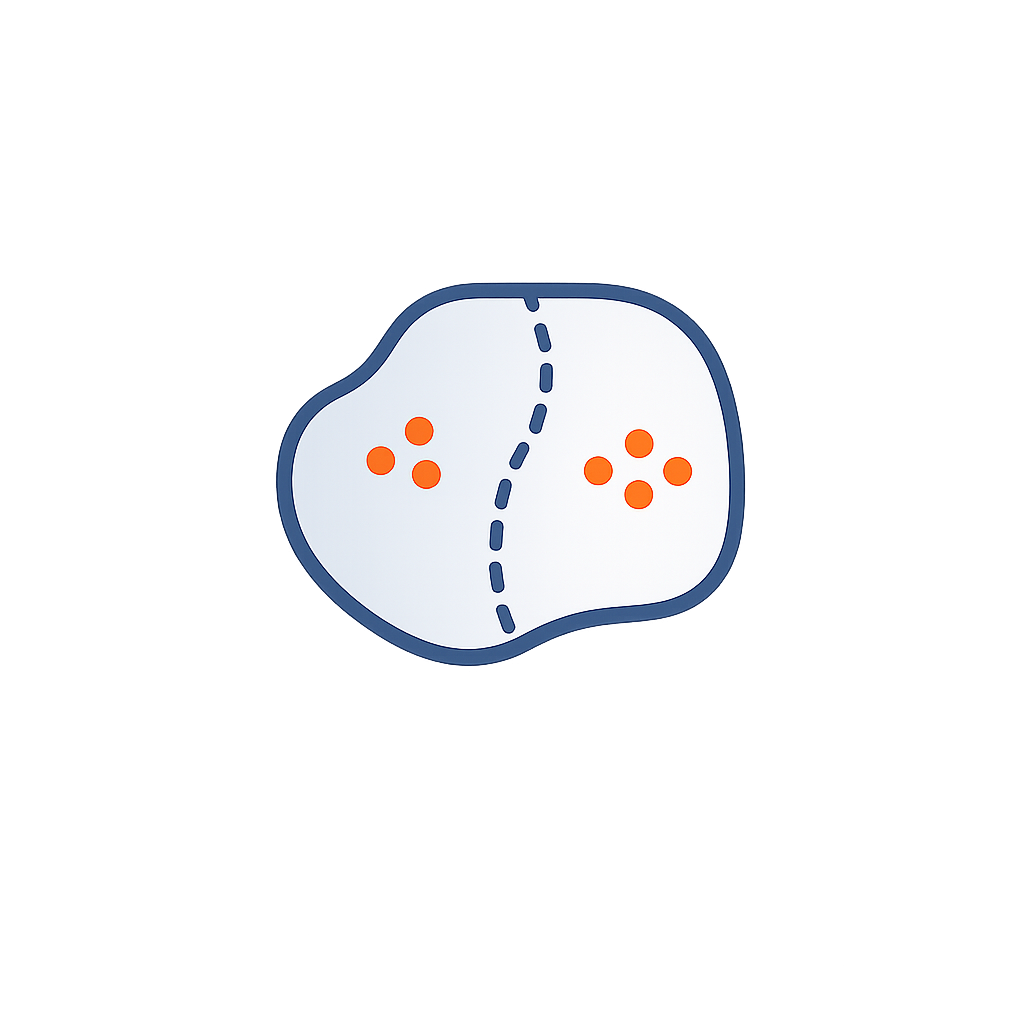
A region owns its data; a tenant writes from its home. Partitions between owners are harmless by construction — the seam falls where nobody was going to collide anyway.
When two valid histories do meet, Swytch Cloud shows the divergence precisely and hands you the tools to pick the canonical branch. Which history wins is a business decision — made with full information, not a wall-clock coin flip.